Concreting quotes across Townsville QLD 📞 0482 392 415

Concrete Driveways Townsville

New driveways, replacements and widening from North Ward and Mundingburra out to Kirwan and the northern beaches, in plain or decorative finishes. Tell us about the job and we will get you a quote from a concreter who works your part of Townsville.

The driveway is the biggest single piece of concrete most homes in Townsville will ever have poured, and the part that decides whether it lasts happens before the truck ever arrives. Base, steel, thickness, joints and drainage falls. Get those right for the ground you are on and the slab does its job quietly for decades.

  • New pours & replacements
  • Plain, coloured or exposed
  • North Ward, Kirwan & the beaches
  • Free, no-obligation quotes

Get a Free Quote

* Indicates required field

What Makes a Driveway Last in Townsville

Every cracked driveway you drive past around Aitkenvale or Cranbrook had the same concrete in it as the good ones. The difference is almost always underneath. A driveway carries a car or two every day, sometimes a boat trailer or a caravan headed up the Bruce Highway, and it sits on ground that moves. If the base was never compacted properly, if the steel ended up on the dirt instead of inside the slab, or if nobody cut joints where the concrete wanted to crack anyway, the slab will tell you about it within a wet season or two.

Townsville makes this harder than a flat block down south. The ground swings depending on where you are. Through the older central suburbs at Mundingburra, Currajong and Mysterton you are often on reactive black-soil clay, ground that swells when the wet season soaks it and shrinks back hard through the dry, and that movement is what lifts and cracks a slab that was not built for it. Down on the low ground near the Ross River at Idalia, Oonoonba and Railway Estate the water table sits high and the country is flood-prone, which changes how a driveway has to be drained so it is not sitting in a wet base. And the whole city sits in cyclonic wind Region C, so slab edges and any tie-down detailing have to allow for cyclonic loads. A concreter who works your area knows which of these they are standing on before the first sod is turned.

The rest of this page walks through what actually goes into a driveway in Townsville, so you can read a quote properly and ask better questions of whoever you get in.

How a Concrete Driveway Gets Built

Excavation and the base

The old surface comes out first, along with any topsoil, grass roots and soft spots. Organic material rots down and leaves voids behind, so it has to go. The crew then digs to a depth that fits the base and the slab at the finished height you want. That height matters more than people expect in Townsville, because the driveway has to meet the garage floor, the vehicular crossing at the kerb and the surrounding ground without leaving a step or a dam that ponds water when the wet season hits.

Crushed rock goes in next and gets compacted in layers rather than all in one go, because a plate compactor can only work so much depth at a time. On the reactive black-soil clay through the central suburbs the base often needs to be deeper and better drained so it can cope with ground that swells and shrinks between the wet and the dry, and that is one of the honest reasons two quotes for the same square metres can land at different numbers.

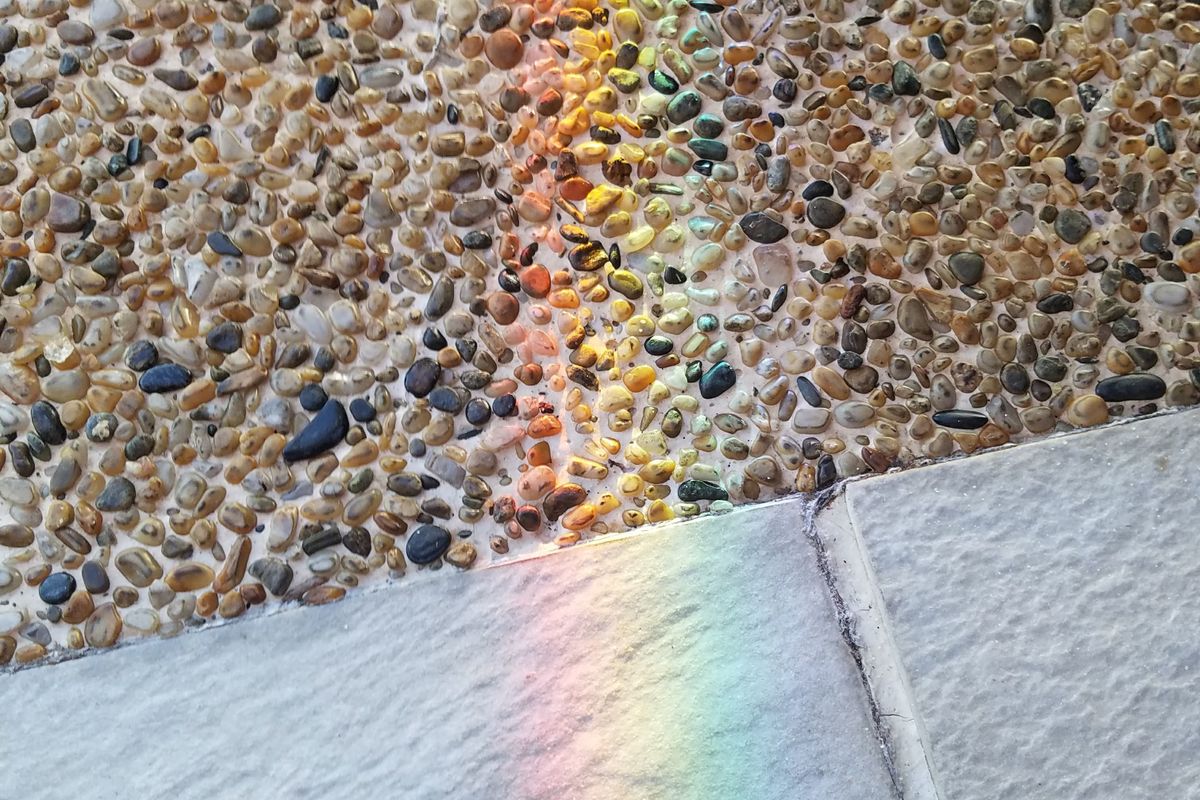
Exposed aggregate concrete surface with pebbles beside smooth paving

Thickness, steel and salt

A domestic driveway carrying cars is usually poured around 100mm thick. Where a boat trailer, a caravan or a heavier vehicle will sit on it regularly, or where the ground underneath is poor reactive clay, it gets thicker. Reinforcing mesh goes in on bar chairs so it sits up inside the slab rather than on the ground. Steel thrown on the dirt and poured over does nothing, and you cannot see the difference once the job is finished, which is exactly why it is worth asking about. In Region C, where wind uplift is a real design case, getting the steel and the edge detailing right matters more than most people realise.

Near the water there is one extra thing that matters here more than most places: salt. Homes close to the water at North Ward, Belgian Gardens, Pallarenda and out on Magnetic Island sit in salt-laden air. Over the years that salt is what drives rust in the reinforcement and surface spalling, where the top face of the concrete flakes away. The fix is not exotic. It comes down to enough concrete cover over the steel, a mix suited to a coastal driveway, and sealing where it makes sense. A concreter who works the bayside suburbs builds that in without being asked.

Joints, falls and finish

Concrete shrinks slightly as it cures and it will crack somewhere. Control joints decide where. They get cut or tooled into the slab in a grid, roughly every couple of metres on a domestic driveway, deep enough to create a weak line that pulls the crack down out of sight. Timing matters. Saw cutting happens once the slab is hard enough to cut cleanly but before it has had a chance to crack on its own.

Falls are the other thing worth watching, and they matter even more on the low-lying blocks near the Ross River. The surface needs enough slope to move water away from the house and the garage rather than into them, and it has to tie in with the existing stormwater, because a wet-season downpour here can drop a lot of water in a hurry. A flat driveway holds puddles, and puddles find their way inside. Then there is the look. Plain grey concrete is the cheapest and it does the job. Washing back the surface to expose the stone gives grip on a sloped drive and copes well with wet feet, which is why it is so common around Townsville pools and bayside homes. Coloured and stencilled finishes sit in between. All of them still need the same base underneath.

What Drives the Price of a Driveway

We do not publish rates, because a per-square-metre number on a website is close to meaningless for concreting. Two driveways of identical size on the same street can be very different jobs. These are the things that move a quote in Townsville:

Because of all that, every driveway needs a site visit before anyone can give you a real number. Call us, describe the job, and we will get someone local out to look at it.

📞 Call for a driveway quote

Townsville Specifics Worth Knowing

Your crossing needs Townsville City Council approval

The slab on your own land generally does not need approval, but the vehicular crossing, the strip of concrete where your driveway meets the road, is council territory. Townsville City Council has its own specification for how that crossing is built, and they want it approved before it goes in. If you are putting in a new driveway where there was not one before, or widening an existing one, sort this out early. It is the part of the job most likely to hold up a start date, and stormwater requirements can come into it on low-lying blocks.

Reactive clay and flood-prone ground are different jobs

A driveway at Douglas on higher ground and a driveway at Railway Estate on the Ross River flats are not the same build even if they are the same size. Reactive black-soil clay through Mundingburra, Cranbrook and Currajong swells and shrinks between the wet and the dry, so the base and the joints have to allow for that movement. Low-lying ground near the river can hold water in the base, so drainage falls and sometimes subsoil drainage matter more. A concreter who reads the ground correctly the first time saves you a repair later.

Cyclone Region C and the wet season

Townsville sits in cyclonic wind Region C, so anything that ties a structure down, a shed slab, a patio slab, the footings, has to be built for cyclonic wind loads, and the edge detailing on a driveway that abuts a building matters more here than in a calmer climate. The wet season, roughly December to March, is the other planning factor. Pours get scheduled around the storms, because rain landing on a fresh slab weakens the finish, and on the hottest build-up days the concrete goes in early in the morning so it does not dry out too fast.

Curing in the dry-tropics heat

You can generally walk on a new slab within a day, but keep vehicles off for around a week while it gains strength. Your concreter will give you a firm number based on the mix, the thickness and the weather. Hot, dry, windy days in Townsville can pull moisture out of a fresh slab too fast, so curing is managed on the day, often with an early pour and careful moisture control, to keep the strength in the concrete rather than lost to the air.
Other Concreting We Quote On

Exposed Aggregate

Non-slip, salt-tolerant finishes for driveways and pool surrounds. How the finish is done.

Decorative Concrete

Coloured and stencilled driveways for something beyond plain grey. Decorative options.

Resurfacing

Reuse a sound slab instead of replacing it. When resurfacing works.

Local concreters

Crews across Townsville, including North Ward, Kirwan and Douglas.

Concrete Driveway FAQs

How thick should a concrete driveway be in Townsville?

Around 100mm is typical for a domestic driveway carrying cars. It goes thicker where a boat trailer, a caravan or a heavier vehicle sits on it regularly, or where the ground underneath is reactive black-soil clay. Thickness works together with the base and the steel, so a concreter sets all three after looking at your block rather than picking a number off a page.

Does salt air near the water affect my driveway?

It can. Homes close to the water at North Ward, Belgian Gardens, Pallarenda or on Magnetic Island sit in salt-laden air, and over time that salt drives rust in the reinforcement and surface spalling. The answer is enough concrete cover over the steel, a mix suited to a coastal job, and sealing where it makes sense. In Region C that cover matters doubly, and a concreter who works the bayside suburbs builds it in.

Do I need council approval for a driveway?

The slab on your own land generally does not need approval, but the vehicular crossing where the driveway meets the road does need Townsville City Council approval, and the Council has its own specification for it. Stormwater can also come into it on low-lying blocks. Sort the crossing early, because it is the part most likely to delay a start.

How long before I can drive on it?

You can usually walk on it within a day, but keep vehicles off for around a week while it gains strength. Your concreter will confirm a specific time based on the mix, the thickness and the weather. In the build-up heat pours often go in early and curing is managed closely, because drying out too fast is one of the few ways a driveway is genuinely weakened.

Can I pour a new driveway over the old one?

Usually not. A thin layer of new concrete over an old slab has nothing to grip and will lift and crack, and it raises your surface level at the garage and the kerb. If the existing slab is structurally sound and you just want it to look better, resurfacing with a purpose-made overlay is worth pricing. If it has dropped or has wide moving cracks from reactive clay, replacement is the better call.

📞 Call Now Get a Quote